
Services
Comprehensive cardiovascular and vascular care.
We provide coordinated evaluation and treatment pathways with practical follow-up plans and clear next steps.
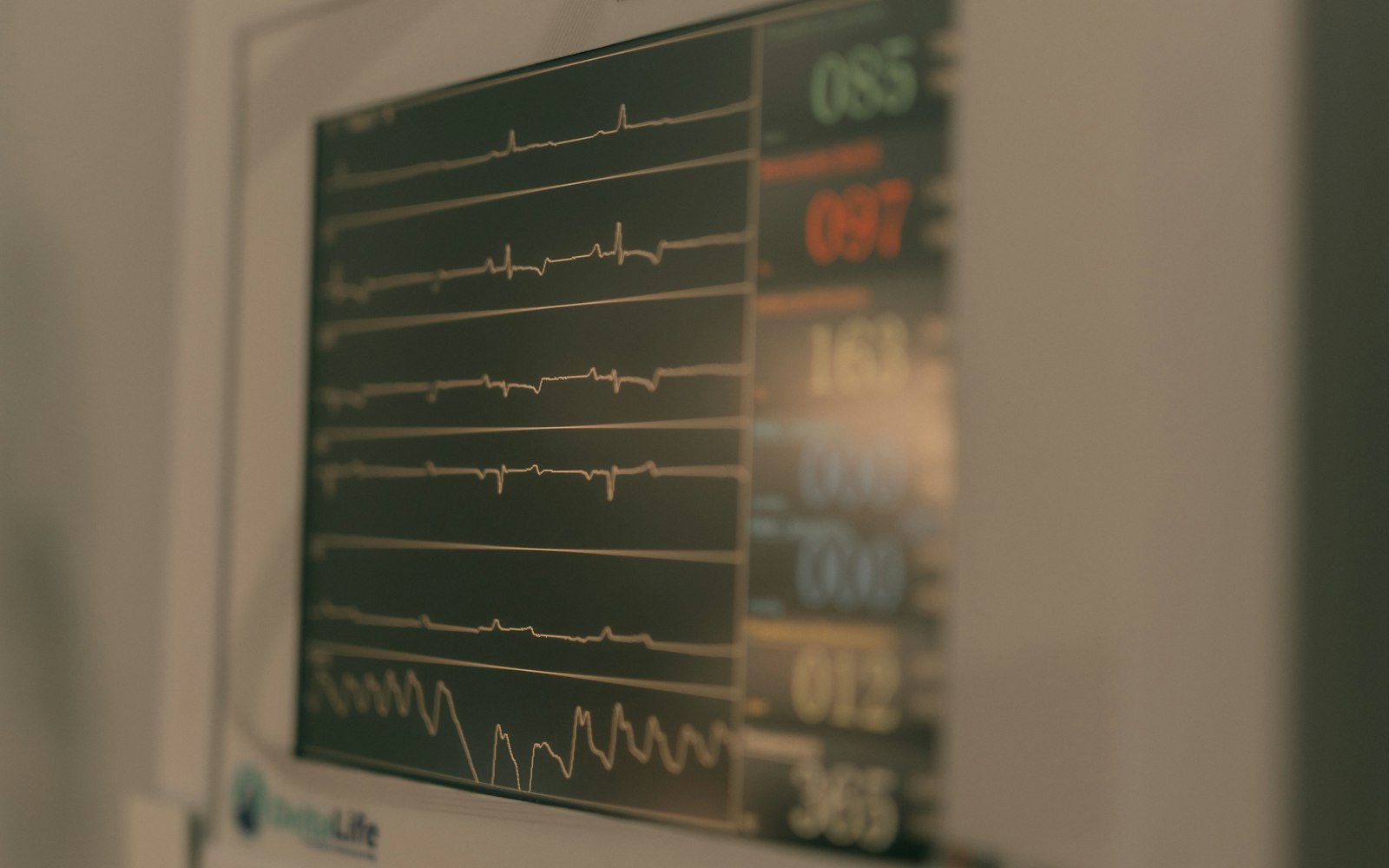
Coordinated Care
Diagnostic access, specialist review, and procedure planning are organized to keep decisions moving.
Accredited Office Labs
TCA maintains accreditation across echocardiography, nuclear, and vascular imaging labs.
Diagnostics
Exams Performed In Office
Most diagnostic tests are performed right here in our office — no separate hospital visit required. Each study includes physician review and follow-up guidance.
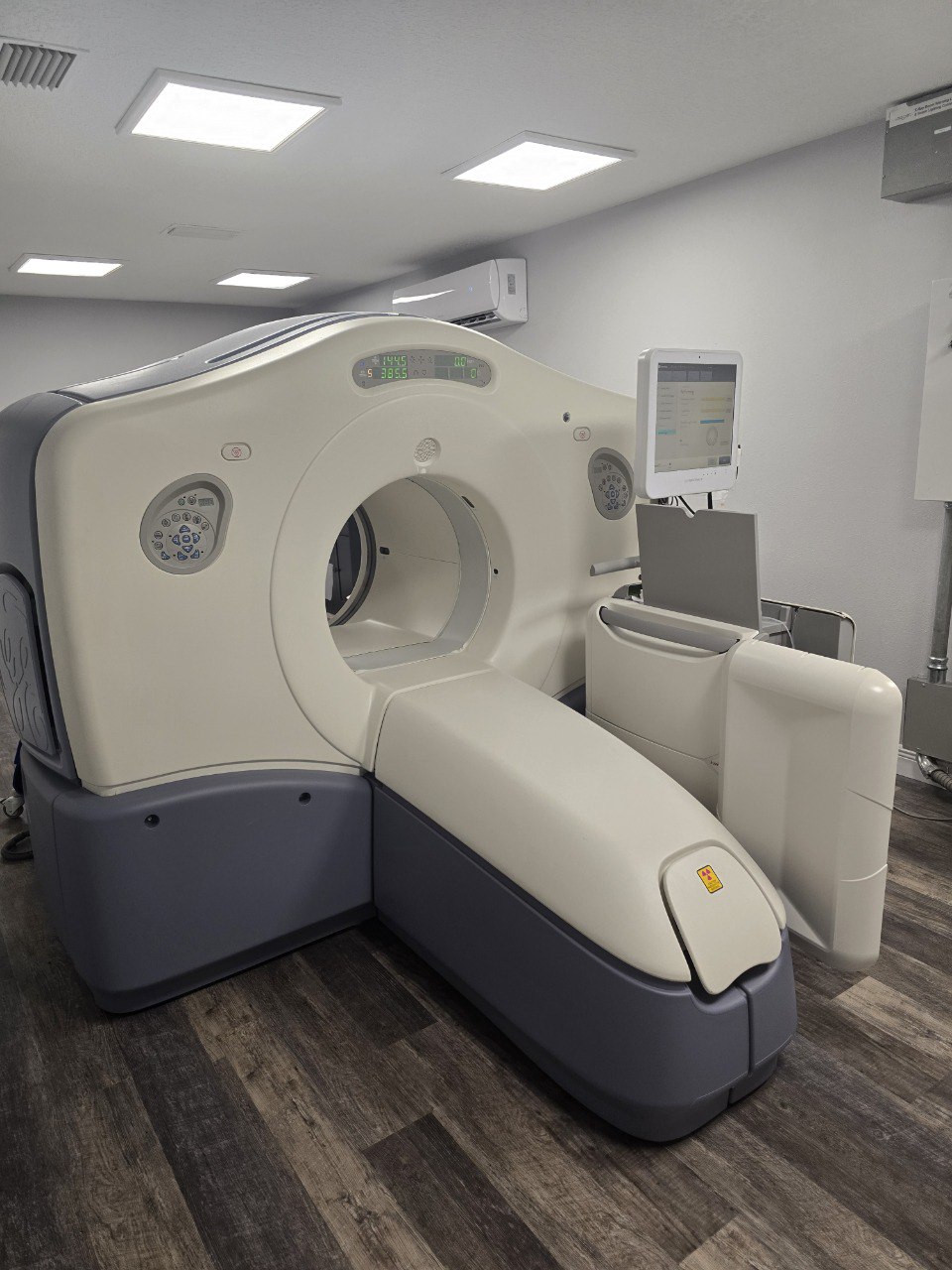
Cardiac PET/CT
Advanced perfusion imaging that helps evaluate blood flow, viability, and ischemia with high diagnostic detail.
Used when detailed myocardial perfusion information is needed. Can help evaluate ischemia, viability, and complex coronary disease questions.
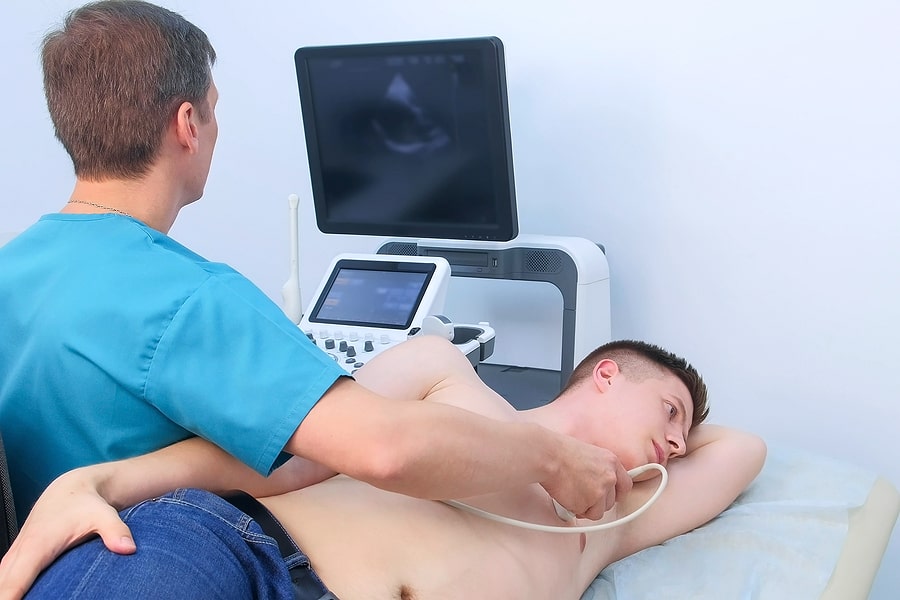
Echocardiogram
Ultrasound imaging of the heart used to evaluate chamber size, pumping function, valves, and blood flow.
Evaluates heart muscle function, chamber size, and valve performance. Noninvasive and office-based.
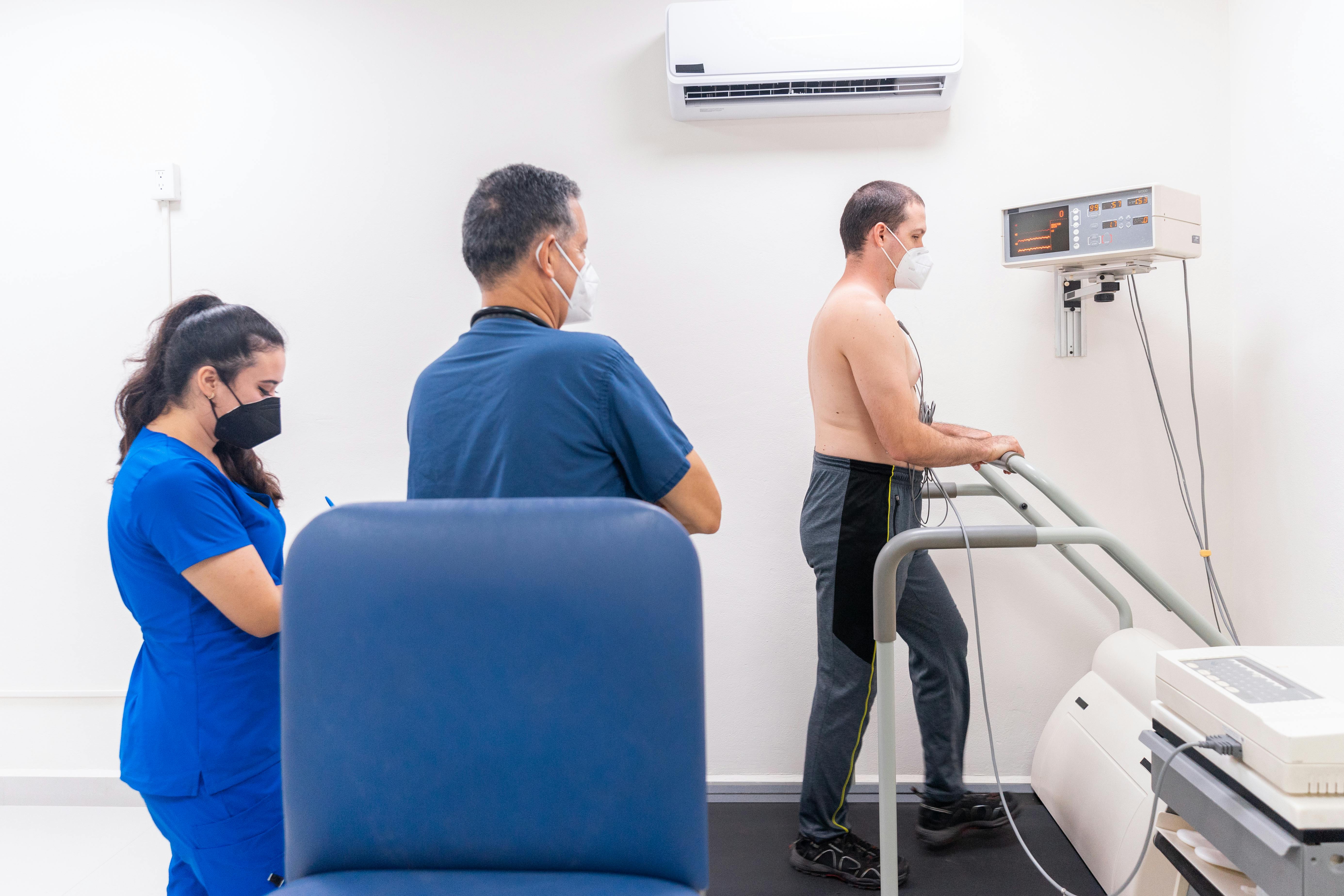
Stress Echocardiogram
Ultrasound of the heart performed after exercise or medication stress to look for ischemia and abnormal wall motion.
Uses treadmill exercise or medication stress. Looks for wall-motion changes that can suggest coronary disease.
Nuclear Stress Test
Perfusion imaging that compares blood flow to the heart muscle at rest and under stress.
Can use treadmill exercise or medication stress. Shows which areas of the heart receive enough blood and which may not.
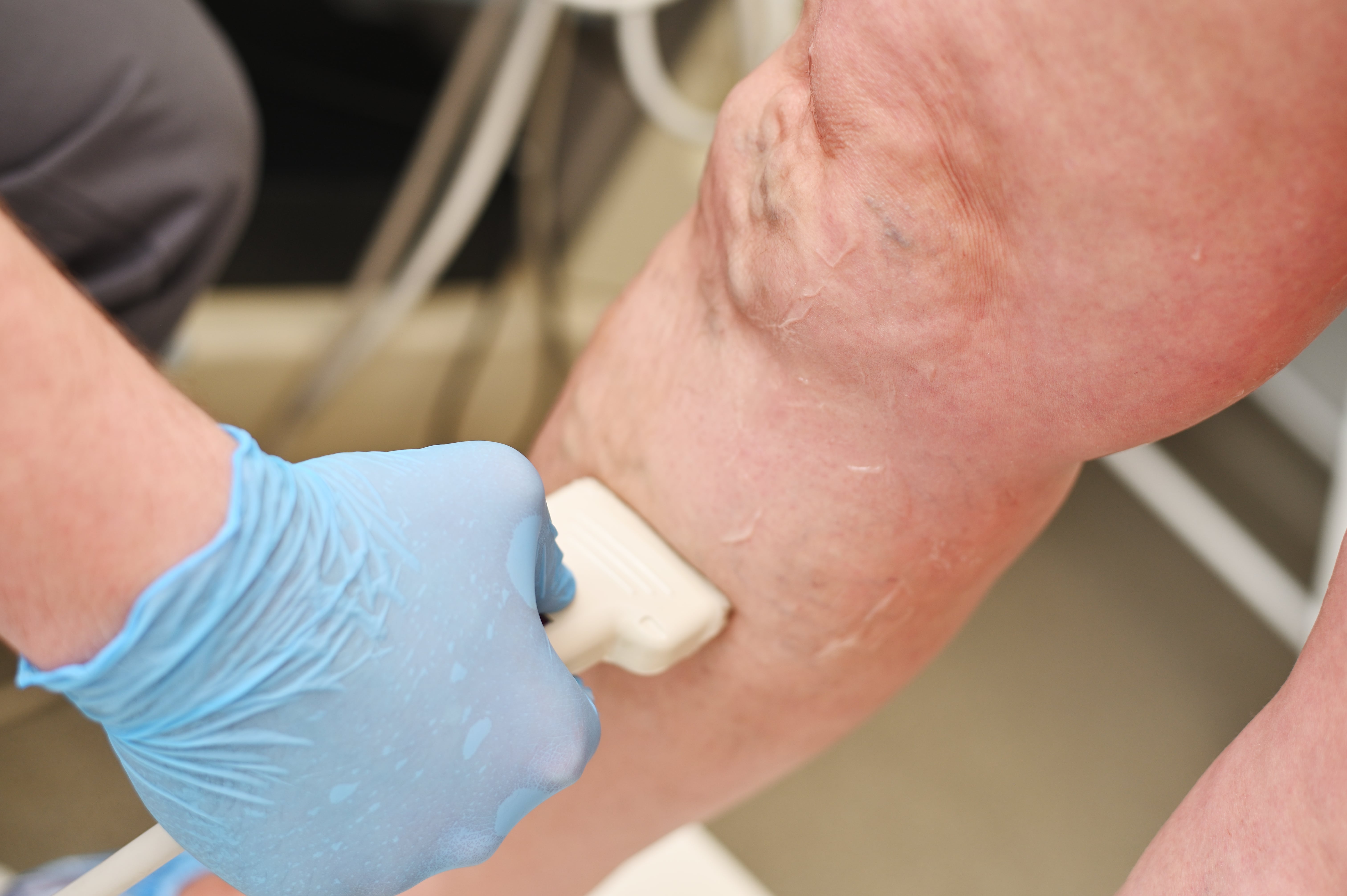
Venous Ultrasound
Office-based ultrasound used to look for blood clots, venous reflux, and the causes of symptomatic vein disease.
Checks for deep vein thrombosis and venous insufficiency. Helps explain spider veins, varicose veins, swelling, and heaviness.
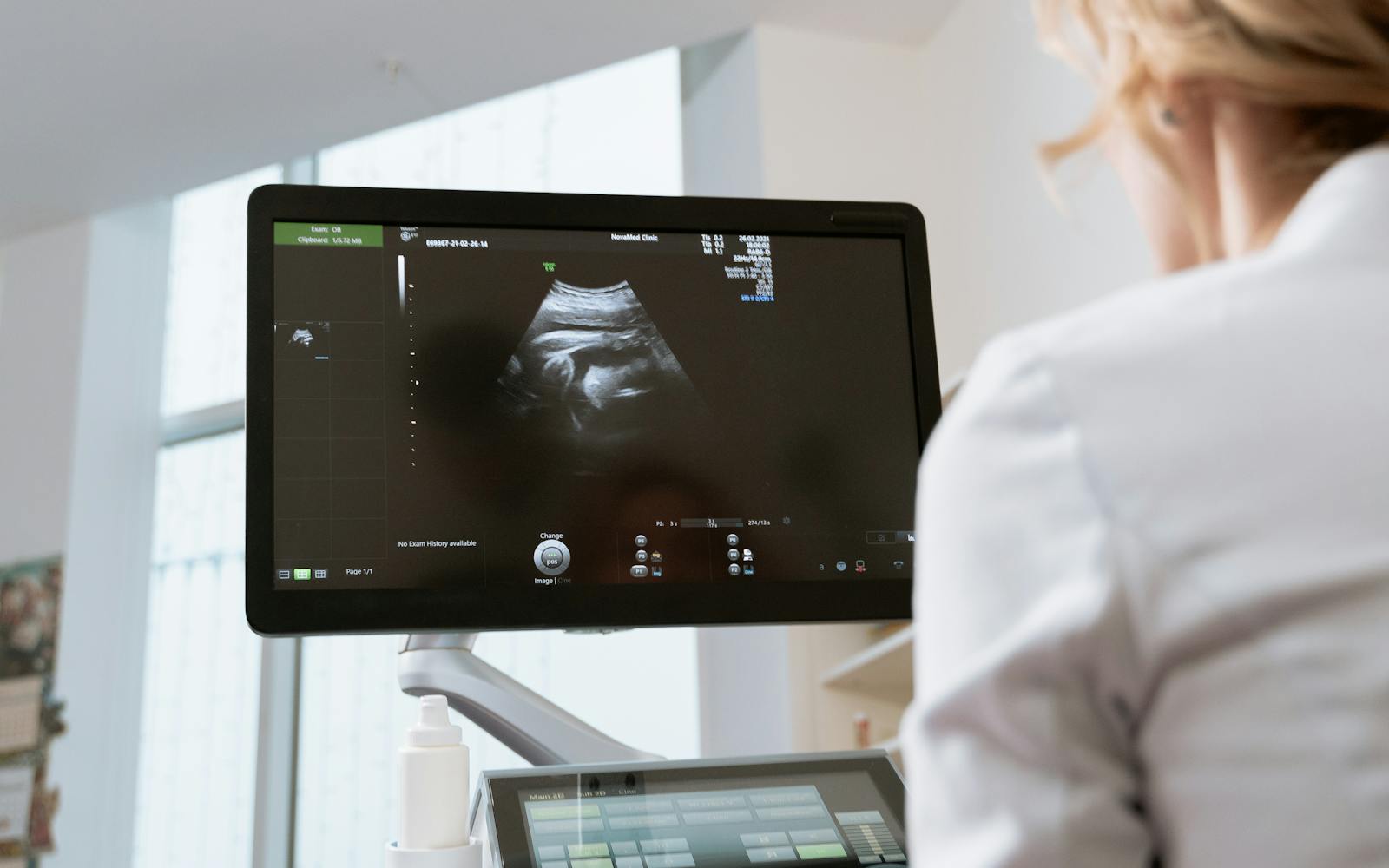
Arterial Ultrasound
Sound-wave imaging used to assess arterial blood flow and look for blockages in the legs and other peripheral vessels.
Looks for reduced flow and arterial narrowing. Used in the legs and other peripheral vascular territories.
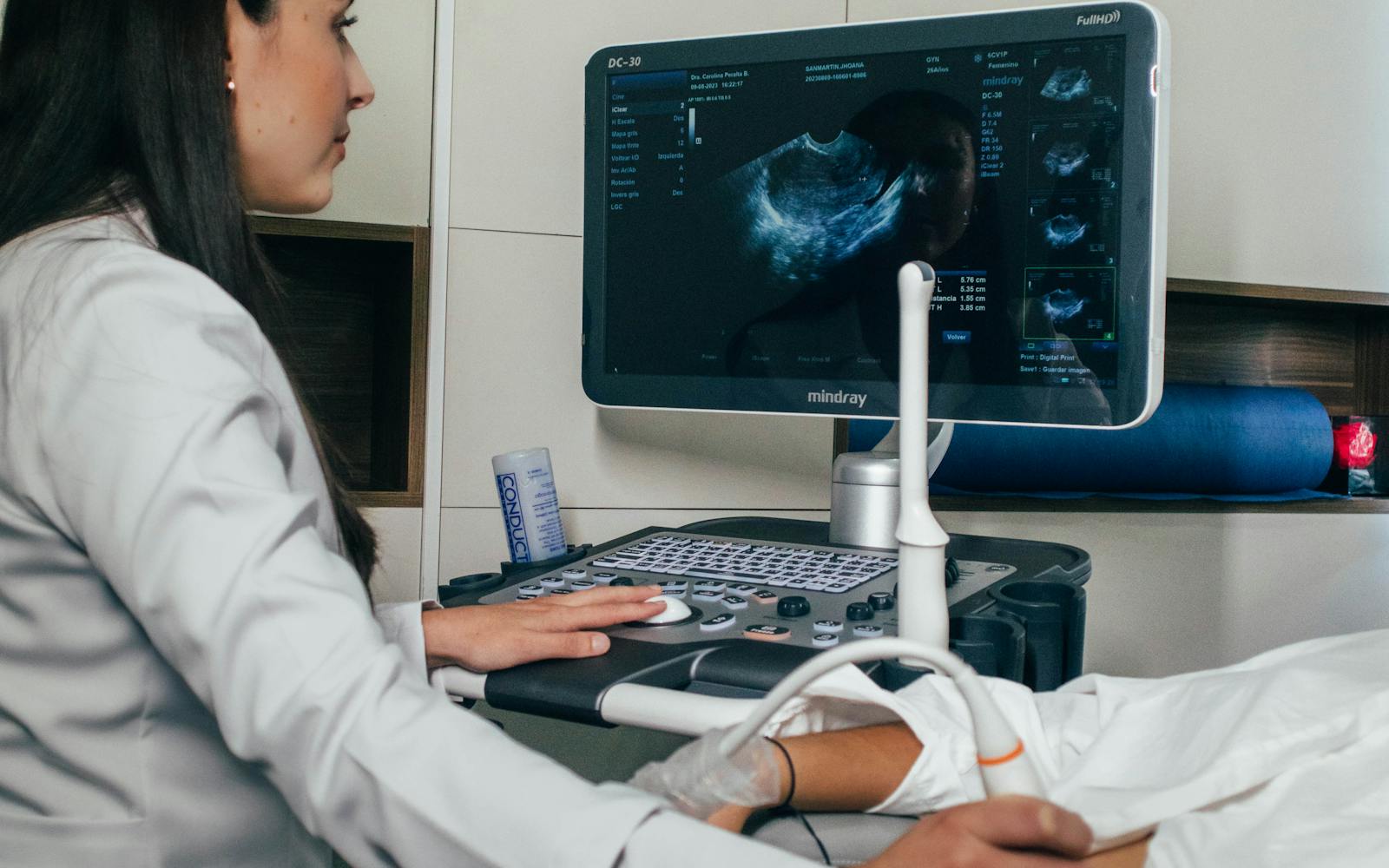
Abdominal Ultrasound
Targeted abdominal and vascular ultrasound used for screening and evaluation of selected abdominal circulation concerns.
Supports noninvasive abdominal vascular evaluation. Can be part of aneurysm screening.
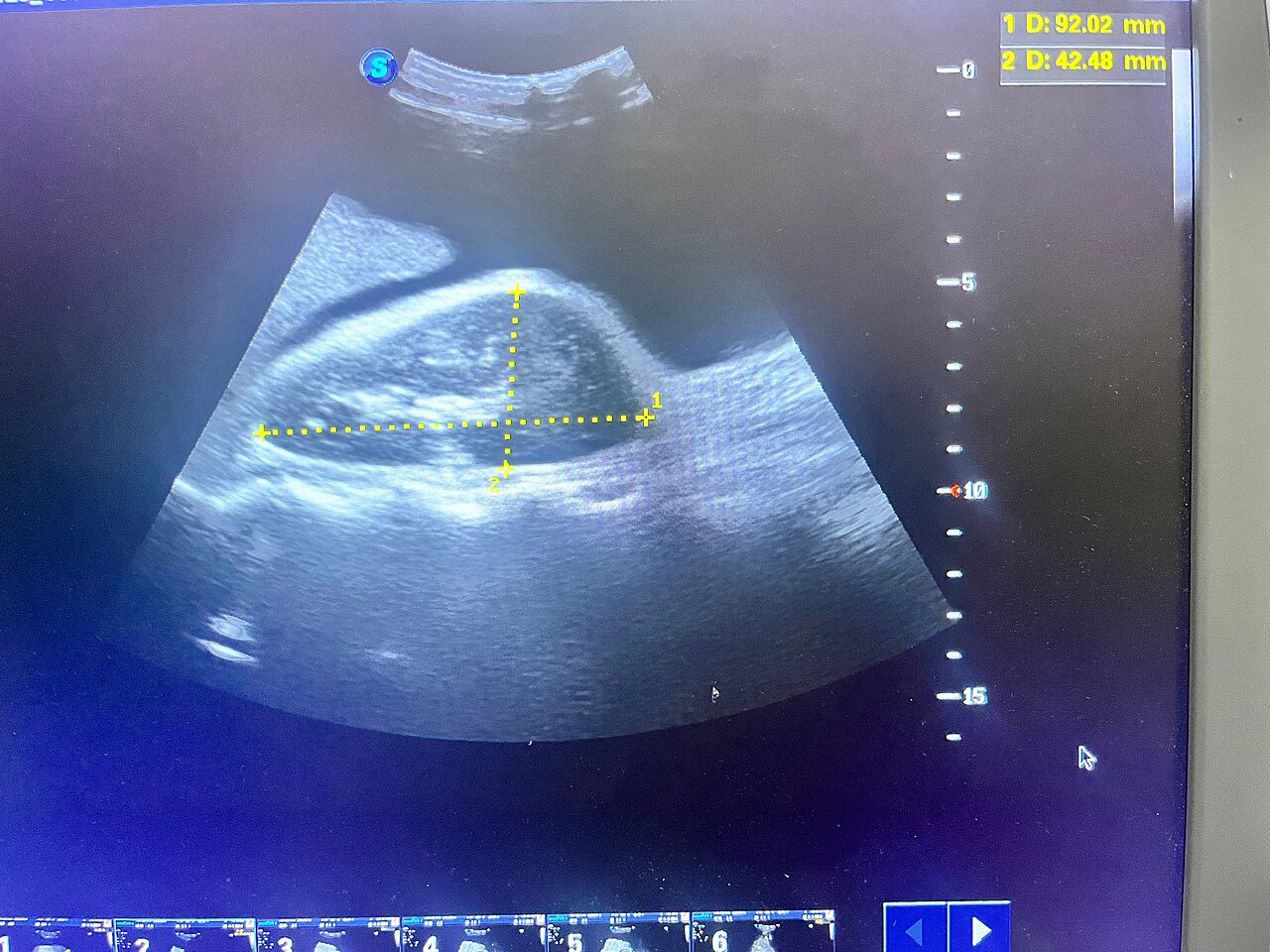
Renal Ultrasound
Ultrasound focused on the kidneys and renal circulation when hypertension or vascular disease is being evaluated.
Used when renal anatomy or blood flow needs review. Can support workup of vascular contributors to hypertension.
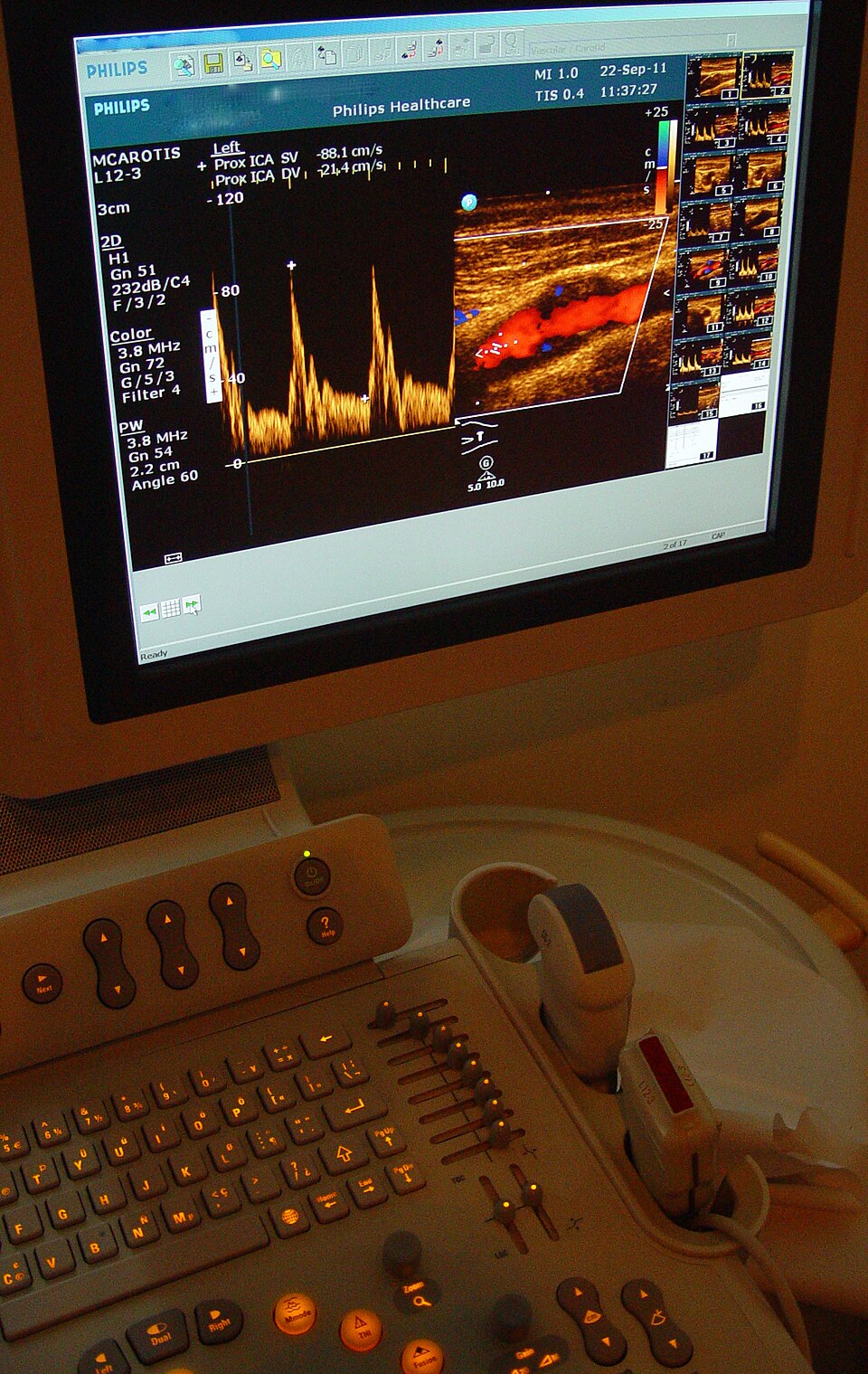
Carotid Ultrasound
Ultrasound of the neck arteries used to identify plaque, narrowing, and stroke-related vascular risk.
Looks for plaque and narrowing in the carotid arteries. Often used in stroke-risk assessment.
Structural Heart Team
Advanced structural heart evaluation and therapy planning for patients with complex valvular and atrial appendage conditions.
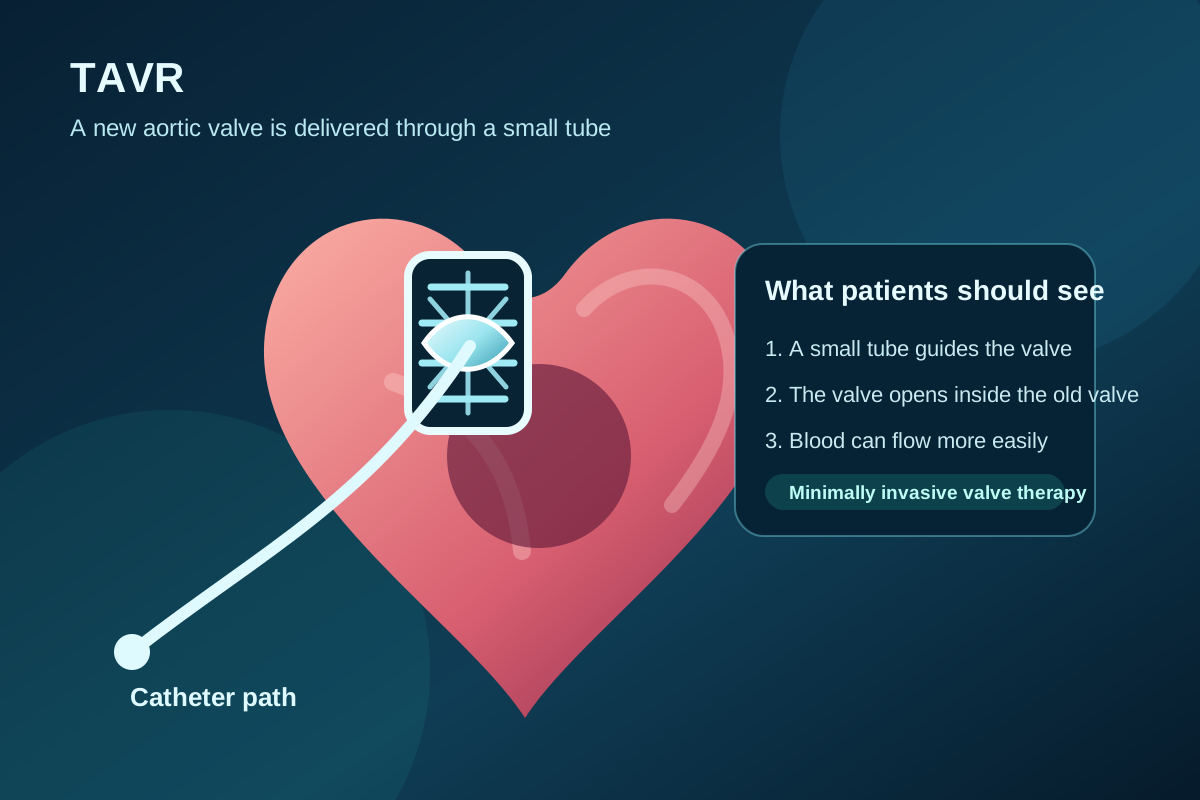
A minimally invasive option for severe aortic stenosis in selected patients, performed by a multidisciplinary structural heart team.
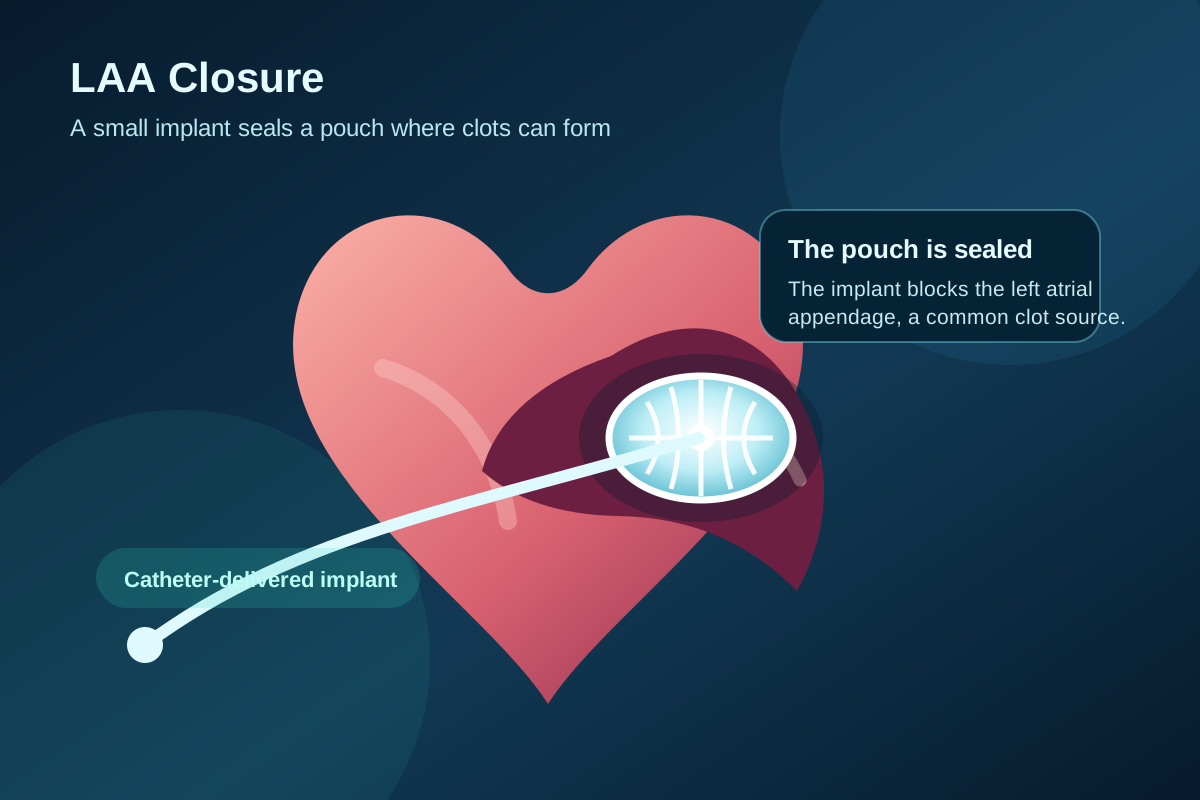
Left atrial appendage closure therapy for appropriate atrial fibrillation patients who need an alternative stroke-prevention strategy.
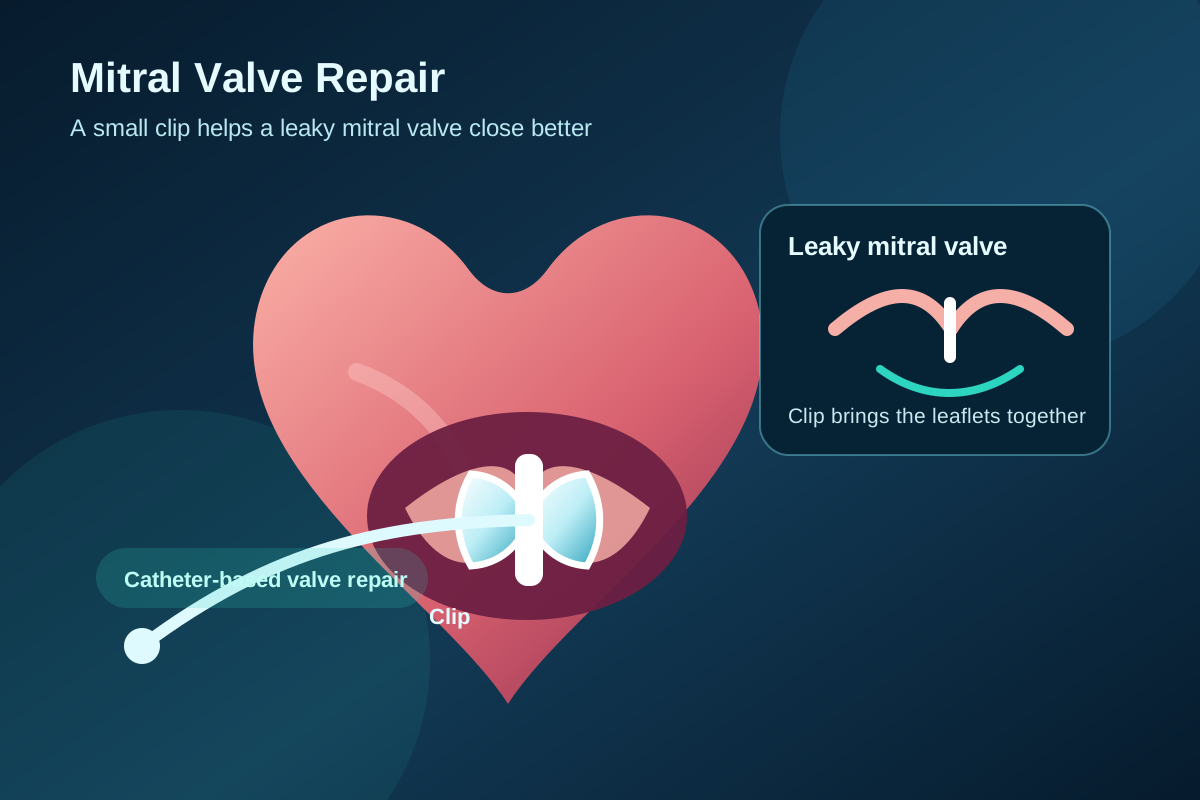
Catheter-based mitral valve repair for selected patients with significant mitral regurgitation and persistent symptoms.
Cardiovascular Health
Cardiovascular Conditions & Procedures
From arrhythmia management to structural heart procedures, our cardiologists evaluate and treat a broad range of cardiovascular conditions — with clear next steps at every stage.
Invasive / Interventional Cardiology
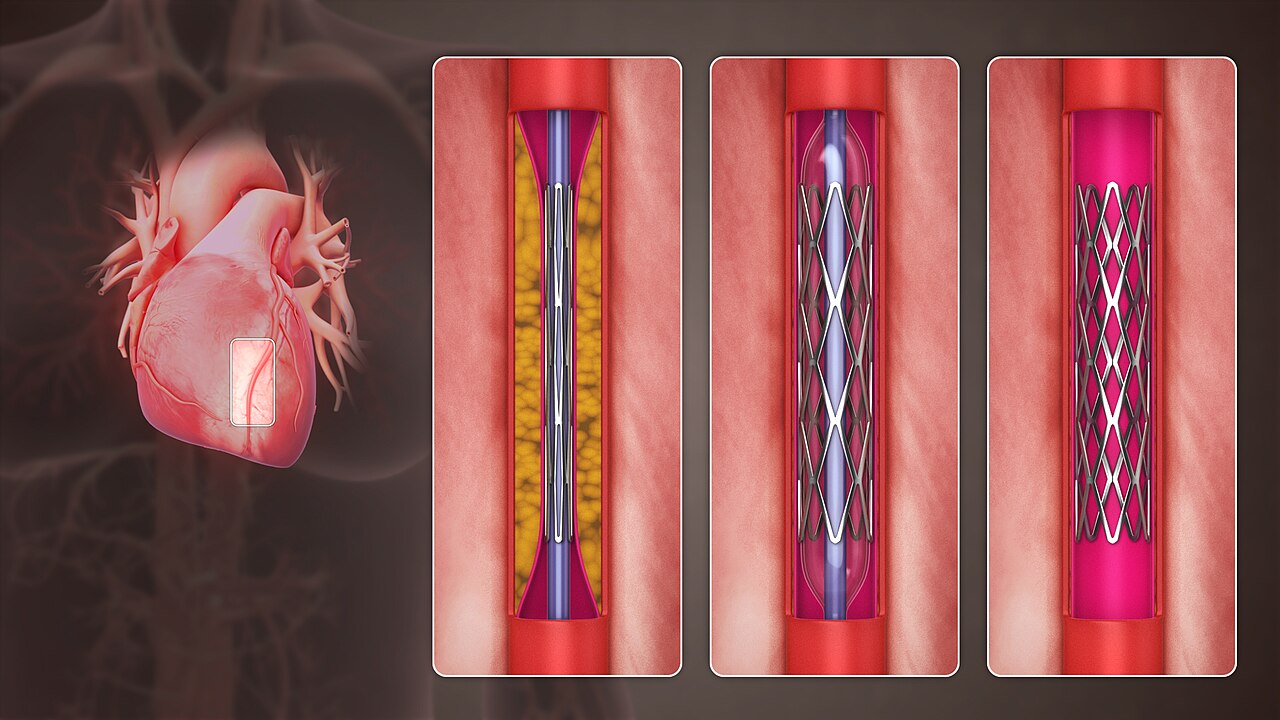
Catheter-based diagnosis and treatment for coronary disease with shorter recovery and minimal scarring.
Diagnostic cardiac catheterization can define coronary anatomy and valve function. Angioplasty and stenting can restore blood flow in narrowed coronary arteries.
Aortic Valve Stenosis
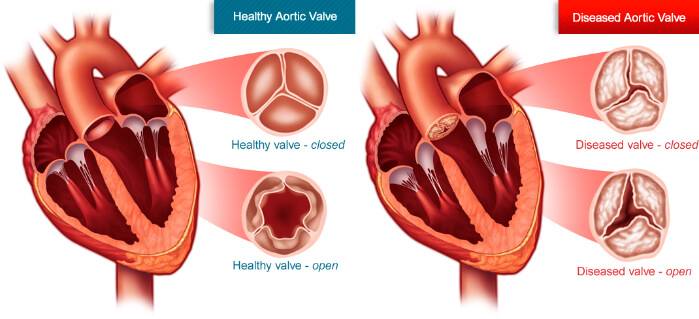
Evaluation and treatment planning for narrowing of the aortic valve, including structural heart therapies.
Common symptoms include chest pain, shortness of breath, and passing out. Evaluation often starts with echocardiography and ECG testing.
Treatment of Massive Pulmonary Embolism
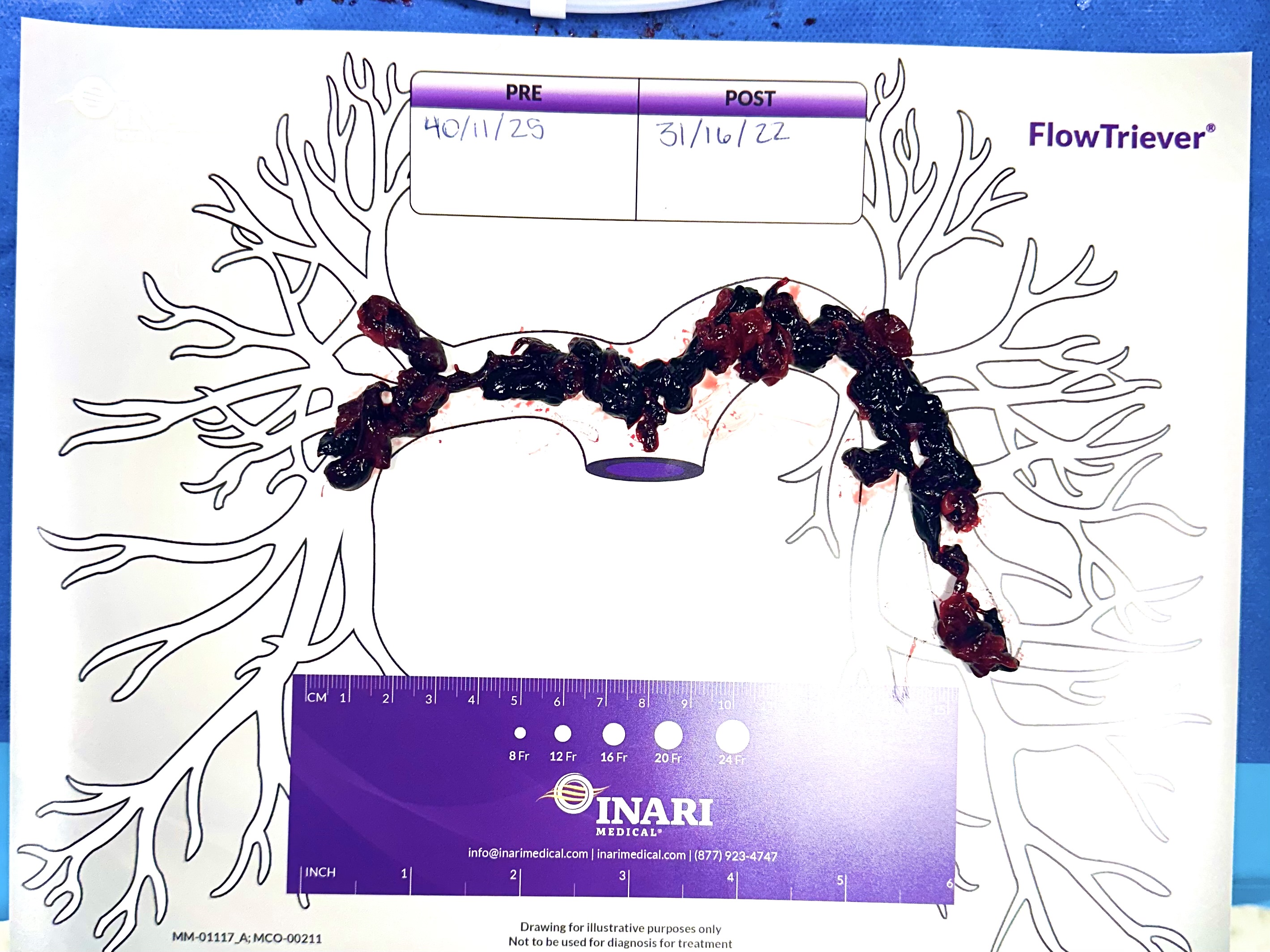
Evaluation and catheter-based treatment planning for large pulmonary emboli and clot-related emergencies.
Pulmonary embolism can begin as a clot in the leg. Large clot burdens may require mechanical thrombectomy.
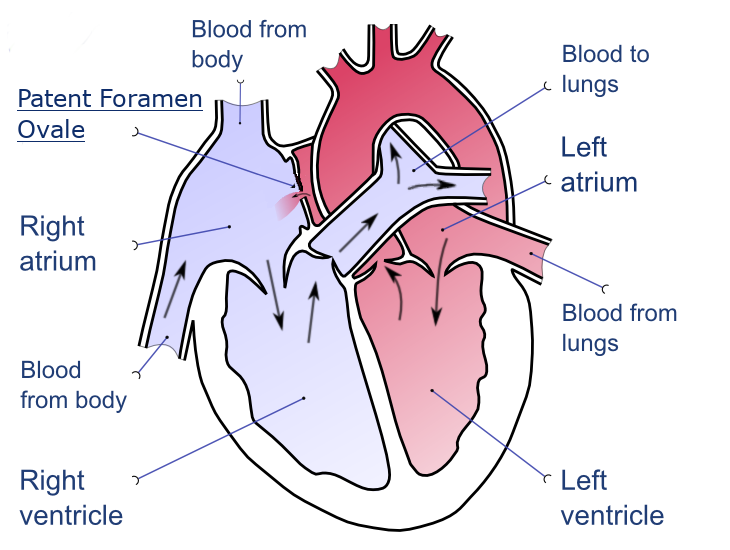
Atrial Septal Defects / Patent Foramen Ovales
Evaluation of congenital openings between the upper chambers of the heart and closure planning when needed.
ASDs and PFOs can contribute to stroke, shortness of breath, and low oxygen levels. Echocardiography is usually the first diagnostic step.
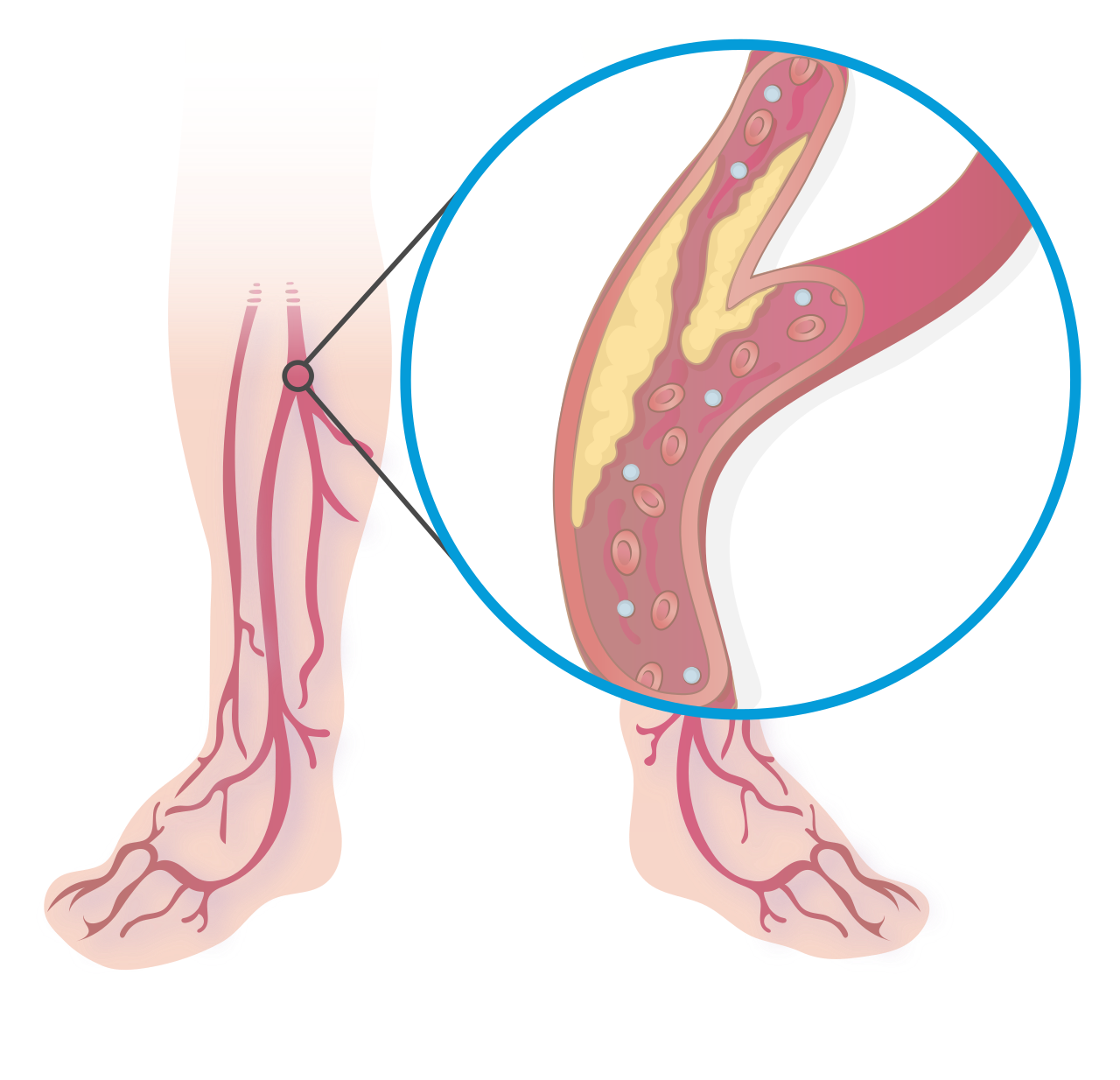
Peripheral Vascular Disease
Evaluation of arterial disease outside the heart and brain, including ultrasound, ABI testing, and intervention planning.
Symptoms can include cramping, numbness, weakness, cold feet, or wounds that heal poorly. Testing may include carotid, peripheral, renal, and abdominal vascular imaging.
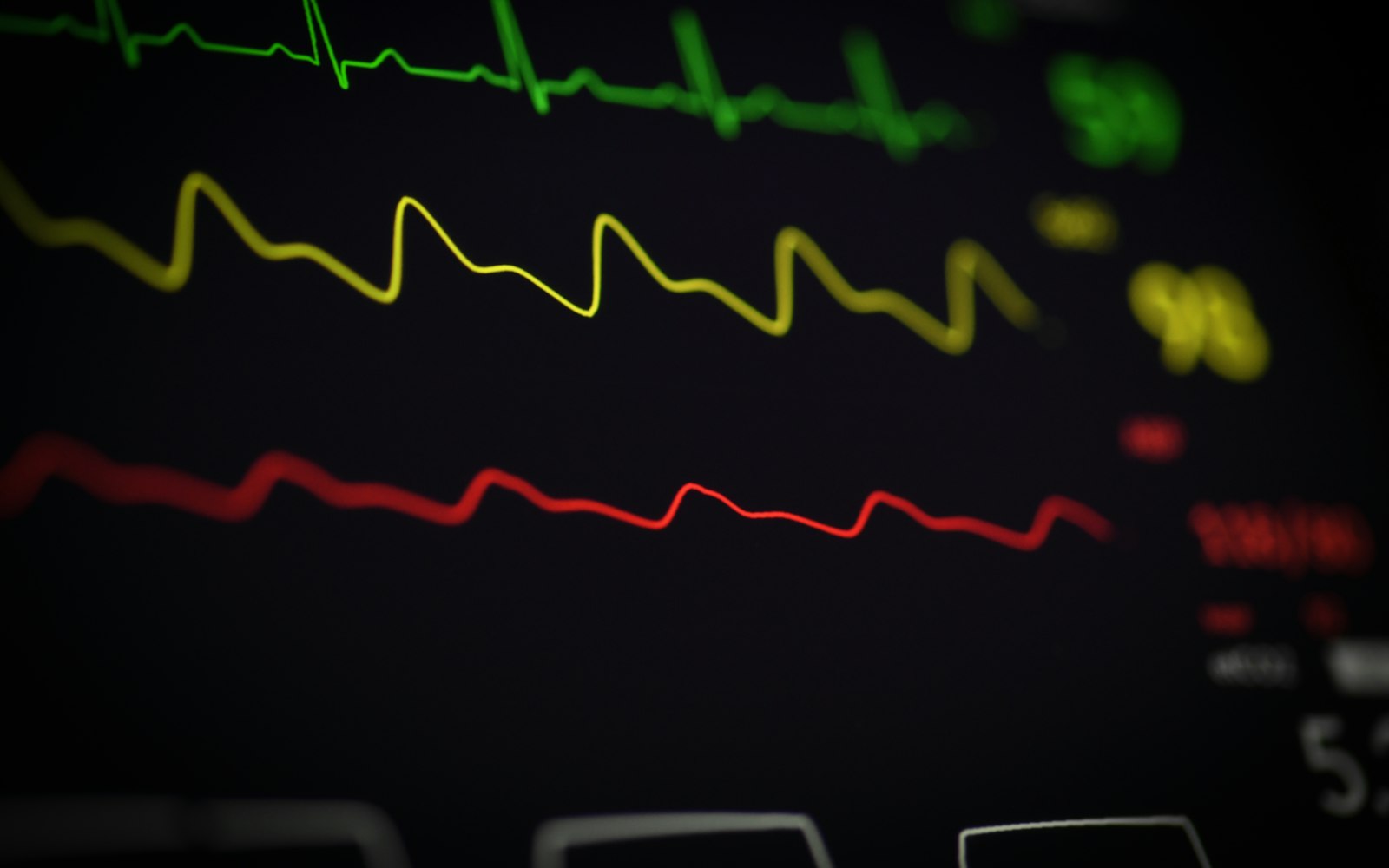
Arrhythmia Specialists
Evaluation of irregular heart rhythms, palpitations, slow heart rates, and passing-out episodes.
Holter and event monitors help capture rhythms outside the office. Pacemakers and ICDs are used when rhythm disorders become more serious.
The Watchman Device
Left atrial appendage closure therapy for selected non-valvular atrial fibrillation patients who need an alternative to long-term blood thinners.
One-time implant delivered through a small tube placed in the upper leg. Used for selected non-valvular AFib patients seeking an alternative to long-term blood thinners.
Diagnostic Testing
In-office cardiovascular and vascular testing designed to answer clinical questions quickly and comfortably.
Includes echocardiography, stress testing, ECG, and rhythm monitors. Also covers carotid, arterial, venous, renal, and aneurysm screening studies.