During cardiac catheterization, a doctor guides a thin, flexible tube through a blood vessel to the heart. This can show how the heart works and whether its arteries are narrowed or blocked.
What the test shows
Your doctor may recommend a heart catheterization after reviewing your symptoms and other test results. It can help check blood flow, pressures inside the heart and some valve problems.
How a blockage may be treated
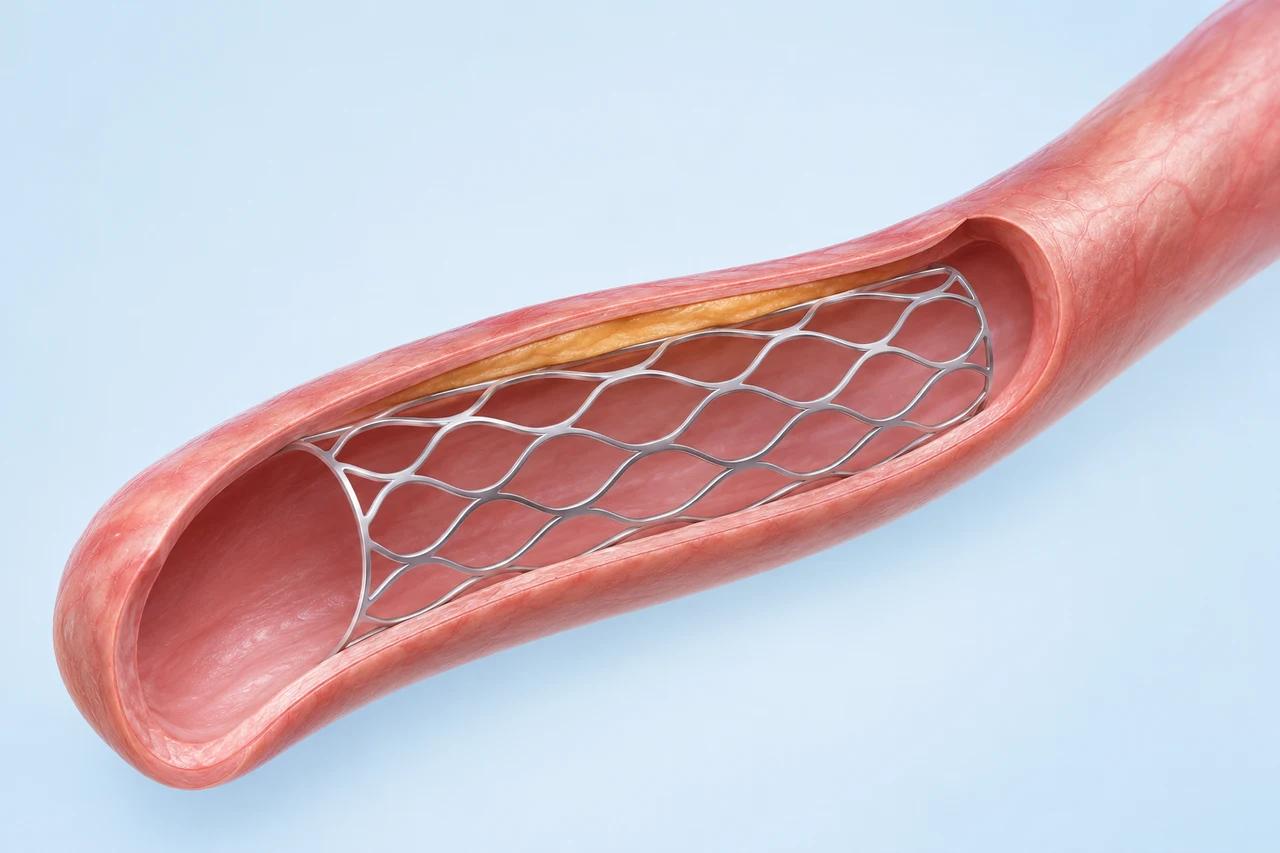
A small balloon can widen a narrowed artery. A stent is a small mesh tube that may be placed to help keep the artery open.
The choice of treatment depends on where the blockage is, your symptoms and your other health conditions.
After the procedure
Your care team checks your heart rhythm, blood pressure and the place where the catheter entered. Before you go home, you receive instructions about medicines, activity and follow-up.
Questions patients ask
Will I definitely need a stent?
No. An angiogram shows the heart arteries. Your cardiologist uses the findings and your symptoms to discuss medicines, a stent or other options, including surgery when appropriate.
What are the risks of angioplasty and stenting?
Risks include bleeding, blood vessel injury, a reaction to contrast and kidney problems. Serious complications can include a heart attack or stroke. Your team discusses your individual risk.
What happens afterward?
The team checks your heart and the catheter entry site. Before you leave, ask about activity, follow-up and whether cardiac rehabilitation is appropriate.
Will I still need medicine after a stent?
Yes, medicines remain an important part of care. A heart stent usually requires medicines that help prevent clots. Ask your cardiologist for a clear medication plan.