
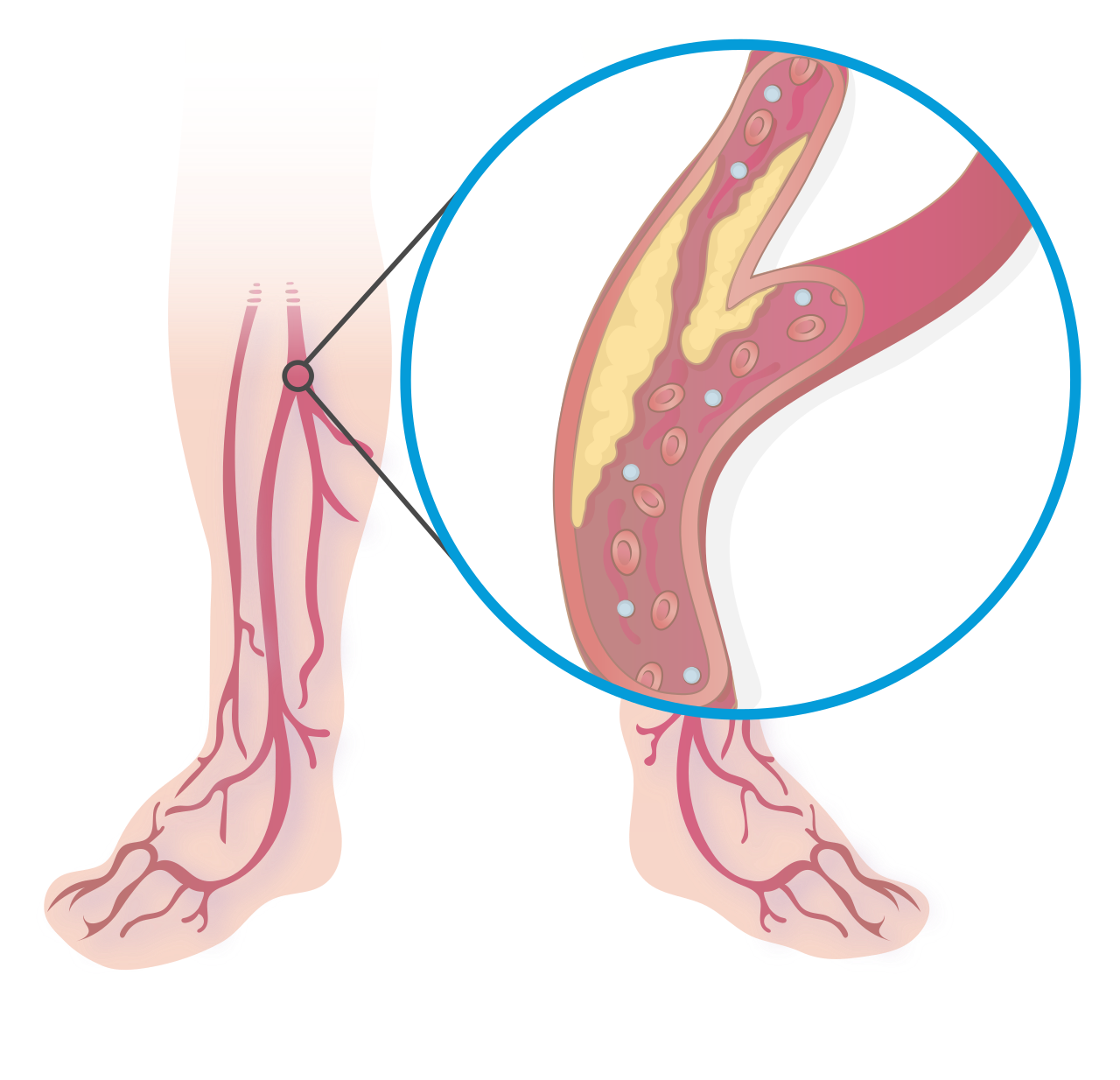
Peripheral vascular disease refers to disease in blood vessels outside the heart and brain, often involving narrowed or damaged arteries in the neck, abdomen, kidneys, or legs.
Risk Factors and Symptoms
Peripheral arterial disease is more likely in patients with diabetes, high blood pressure, high cholesterol, smoking exposure, obesity, inactivity, older age, or a strong family history.
Common warning signs include exertional leg cramping, coldness, weakness, slowed hair and nail growth, or sores that do not heal well.
How It Is Evaluated
TCA's evaluation includes carotid, peripheral arterial, and renal ultrasound, segmental pressure testing or ABI, abdominal aortic aneurysm screening, and angiography when indicated.
Medical therapy and lifestyle change remain the first line. When symptoms persist and imaging confirms significant disease, angioplasty with or without stenting may be considered.