
TCA Vein Center — Tampa Bay
Leg pain, varicose veins, or swelling? You don't have to live with it.
Our board-certified cardiologists diagnose and treat venous disease in office — most patients are evaluated, treated, and back to their day without a hospital visit.
Many vein procedures are covered by insurance when medically necessary. Ask our staff about your benefits.
Why Choose TCA
Cardiology-level expertise for your veins.
Venous disease is more than a cosmetic concern. Untreated venous insufficiency can cause chronic leg pain, skin changes, and serious complications. TCA's vein specialists bring the same diagnostic rigor to vein care that they apply to heart and vascular disease.
- Board-certified cardiologists — not general practitioners — evaluate and treat your veins.
- In-office procedures mean most patients are treated and walking the same day.
- Accredited vascular imaging lab provides accurate diagnosis before any treatment is recommended.
- Insurance often covers medically necessary vein procedures — our staff can help verify your benefits.
Common Symptoms We Treat
Varicose veins
Bulging, rope-like veins visible beneath the skin — often painful or heavy.
Spider veins
Small, web-like clusters of veins near the skin surface — cosmetic or symptomatic.
Leg swelling & heaviness
A sign of poor venous return, especially worse by end of day.
Leg ulcers or skin changes
Advanced venous insufficiency can cause discoloration or open wounds near the ankle.
DVT / blood clots
Deep vein thrombosis requires prompt evaluation and treatment to prevent complications.
Accredited Office Labs
TCA maintains accreditation across echocardiography, nuclear, and vascular imaging labs.
Vein Center
Conditions & Treatments
From spider vein sclerotherapy to radiofrequency ablation for venous reflux, TCA's vein team offers a full range of in-office diagnostic and treatment options.
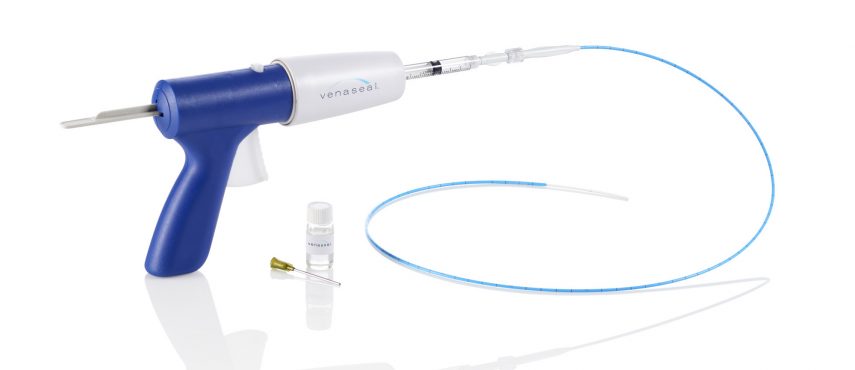
Experience the VenaSeal Closure System
A non-thermal adhesive closure option for selected superficial venous reflux cases.
Uses adhesive rather than thermal energy to close the vein. Procedure planning starts with ultrasound mapping.
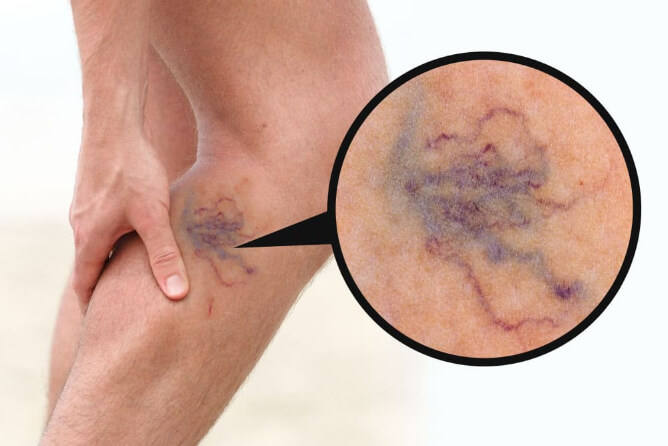
Spider Veins
Evaluation of superficial web-like veins that can cause itching, swelling, or cosmetic concerns.
Often linked to heredity, age, obesity, sun exposure, or prolonged sitting and standing. Can be associated with swelling or itching even when mainly cosmetic.
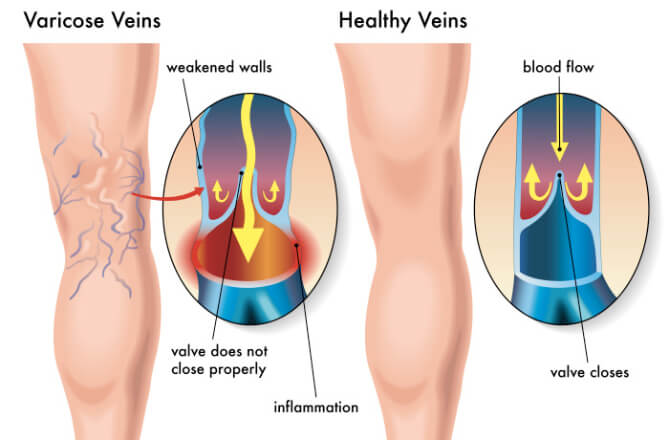
Varicose Veins
Care for enlarged surface veins that can cause heaviness, swelling, itching, and pain in the legs.
Pooling blood can weaken vein walls and create visible bulging veins. Symptoms may include heaviness, itching, swelling, and pain.
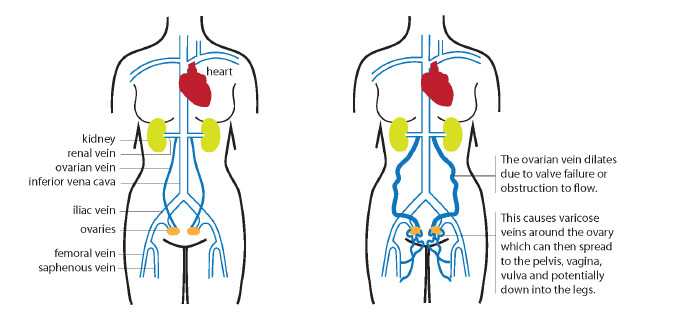
Pelvic Congestion Syndrome
Evaluation of pelvic varicose veins that can cause chronic lower abdominal, pelvic, or low back discomfort.
Often confused with gynecologic conditions because symptoms overlap. Pain can affect daily activity and quality of life.
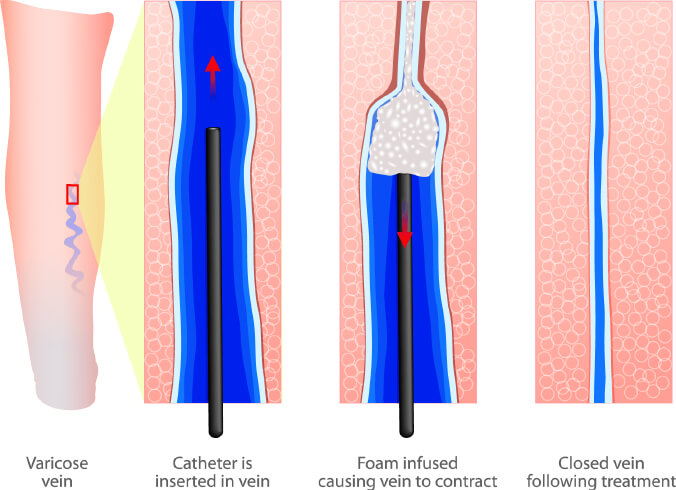
Sclerotherapy
Injection therapy for spider veins and selected varicose veins performed in the office.
Commonly used for spider veins and selected varicose veins. Sessions are performed in the office and may need to be repeated.
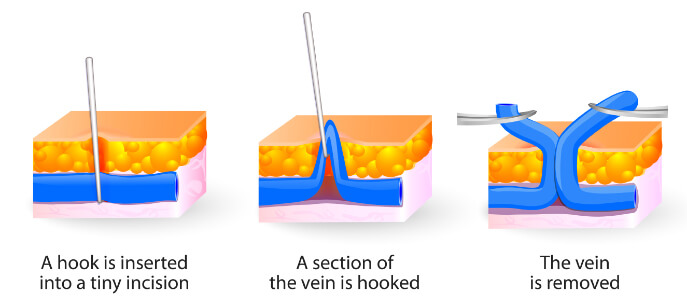
Microphlebectomy
Minimally invasive removal of larger surface varicose veins through very small skin openings.
Uses 2 to 3 mm access points and typically does not need stitches. Performed as an outpatient office procedure.
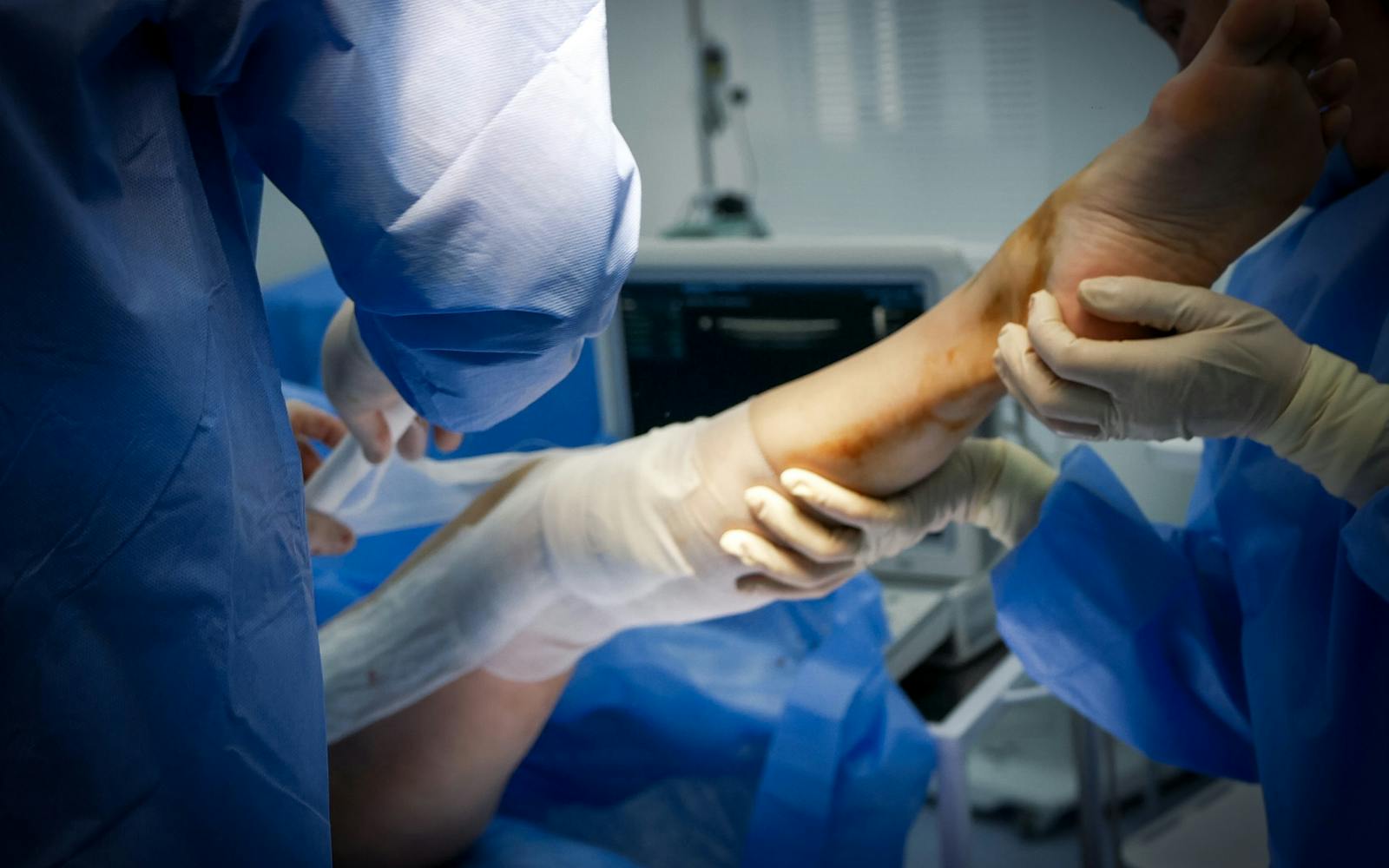
Chemoablation
Chemical vein closure for anatomy that is not a good fit for heat-based ablation.
Used when thermal ablation is not the best option. Performed on an outpatient basis without sedation.
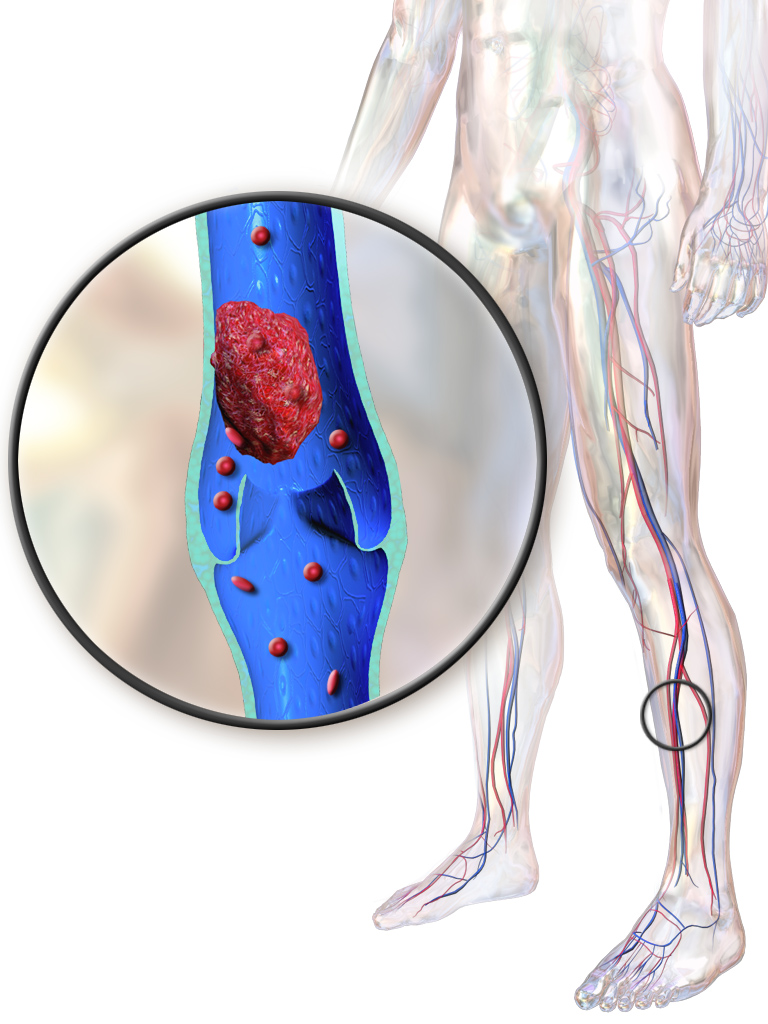
Deep Venous Thrombosis and Pulmonary Emboli
Evaluation and treatment planning for deep vein thrombosis, pulmonary embolism, and clot-related venous emergencies.
Untreated DVT can lead to tissue injury, limb problems, or pulmonary embolism. Ultrasound is often the first-line diagnostic study.
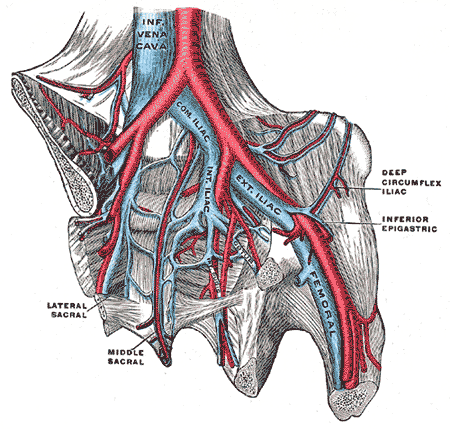
May Thurner Syndrome
Evaluation of iliac vein compression that can contribute to left-leg swelling, pain, and DVT.
Often presents with left-leg swelling and pain. Can contribute to chronic venous symptoms, skin changes, and clot formation.
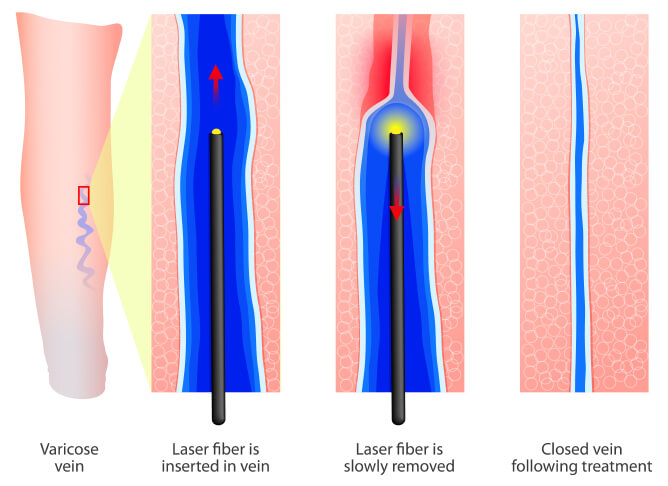
Radiofrequency Ablation
Heat-based closure of refluxing veins using a catheter and radiofrequency energy.
Ultrasound is used to map the target vein before treatment. A catheter is guided through a small access point to close the vein.
Venous Ultrasound
Exam of venous circulation used to detect venous insufficiency, reflux patterns, and deep venous thrombosis concerns.
Arterial Ultrasound
Assessment of arterial blood flow used to identify plaque, stenosis, or reduced circulation in peripheral vessels.
Our accredited vascular lab (ICAVL) means your imaging results meet independent quality standards — the same required by major hospital systems.
Your first visit includes a clinical evaluation and, when indicated, a vascular ultrasound to map venous flow and identify areas of reflux or obstruction.
Treatment recommendations are based on your symptoms, imaging findings, and medical history — not a one-size-fits-all protocol.
Most procedures are done in office with no general anesthesia, no hospital stay, and minimal recovery time.
For sudden leg swelling, redness, or warmth — especially after travel or surgery — call us same day or go to the ER. These can be signs of DVT.
Patient Gallery
See the difference treatment makes.
Before-and-after results from vein procedures performed at TCA. Individual results vary based on condition, treatment type, and patient health factors.
Before
After
Patient photos are collected with written consent following treatment. Check back as our gallery grows.
Ready to Get Answers?
Schedule your vein evaluation today.
Call our office or submit a scheduling request online. Our staff will confirm your appointment within one business day.