
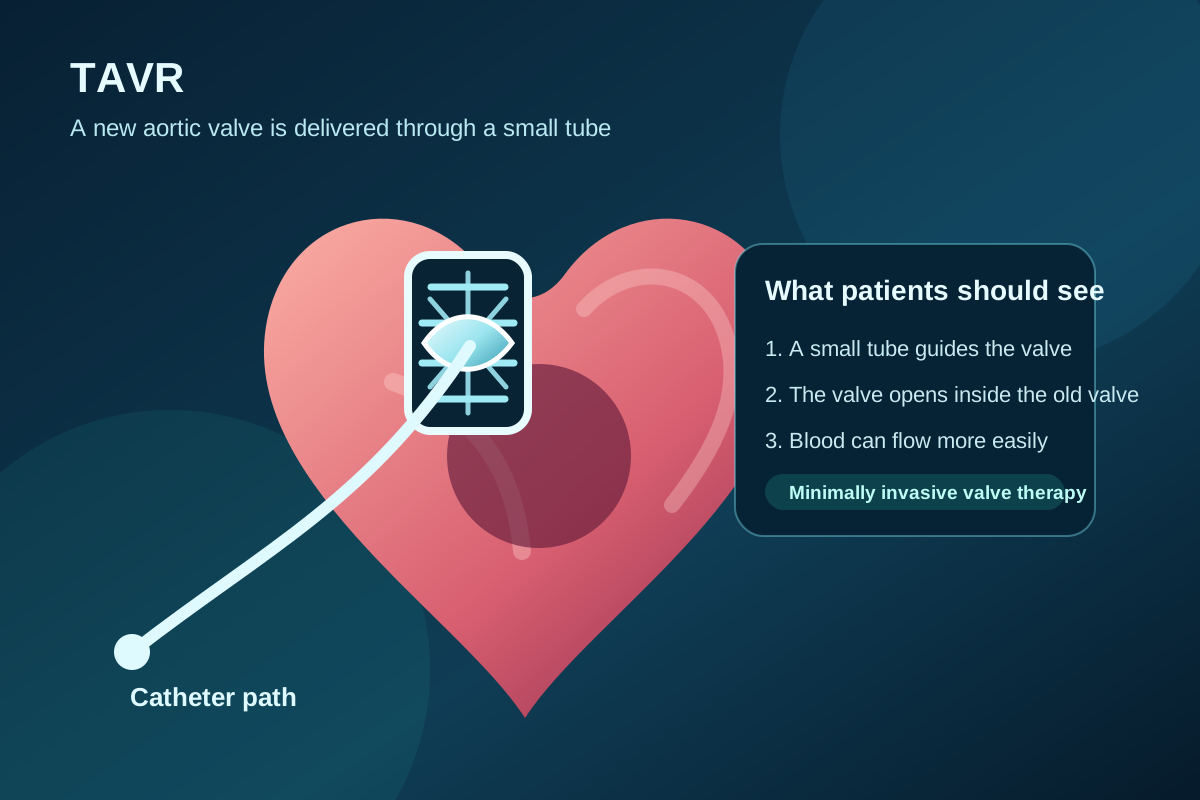
Edwards patient materials describe TAVR as a way to replace the aortic valve without traditional open-heart surgery. It is considered for patients with severe symptomatic aortic stenosis after review by a multidisciplinary heart team.
Who May Be Evaluated
According to Edwards patient information, patients with severe symptomatic aortic stenosis can be considered for TAVR after structured evaluation. In practice, that means symptoms, echo findings, CT imaging, access anatomy, and overall clinical risk are reviewed together rather than in isolation.
TCA's structural heart pathway follows that same pattern: define how advanced the valve disease is, clarify symptoms and goals, and determine whether catheter-based replacement is appropriate for the individual patient.
How The Procedure Works
Edwards describes TAVR as a catheter-based valve replacement that does not require traditional open-heart surgery. The new valve is delivered through a catheter and expanded within the diseased aortic valve rather than removing the old valve in the surgical fashion.
The most common access route is through the leg, but final planning depends on vascular anatomy, imaging, and the broader structural heart workup.
Recovery And Follow-Up
Recovery planning depends on the access site, heart rhythm, kidney function, and post-procedure imaging. Patients still need follow-up for valve performance, medications, and symptom improvement after implantation.
Because TAVR is a structural heart procedure rather than a simple office treatment, candidacy and aftercare should be individualized and coordinated with the implanting team.