
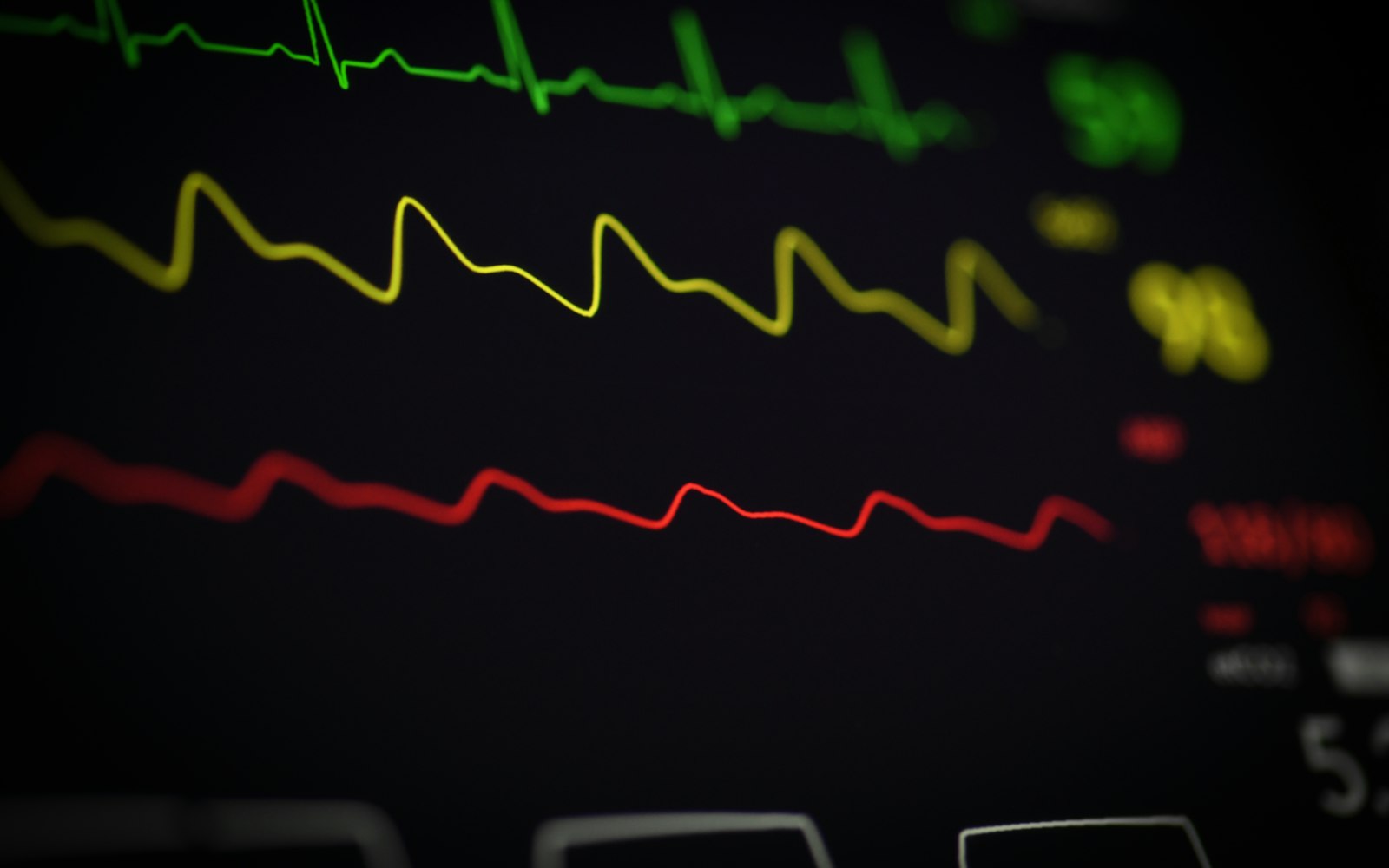
Arrhythmias include heart rhythms that are too fast, too slow, or irregular. Some are mild, while others can increase the risk of stroke, fainting, heart failure, or sudden cardiac arrest.
How Arrhythmias Are Evaluated
Some rhythm disorders can be suspected from symptoms or a physical exam, but many need ECG testing or longer monitoring to confirm what the heart is doing outside the clinic.
TCA offers in-office Holter monitors, event monitors, implantable loop recorders for infrequent events, and tilt table testing for patients with unexplained fainting or near-fainting episodes.
Treatment Pathways
Many arrhythmias can be managed with medication that reduces the frequency or intensity of episodes. Others need device-based therapy.
Pacemakers help regulate slow heart rhythms, while implantable cardioverter defibrillators (ICDs) are used in patients at risk for dangerous or life-threatening arrhythmias.