
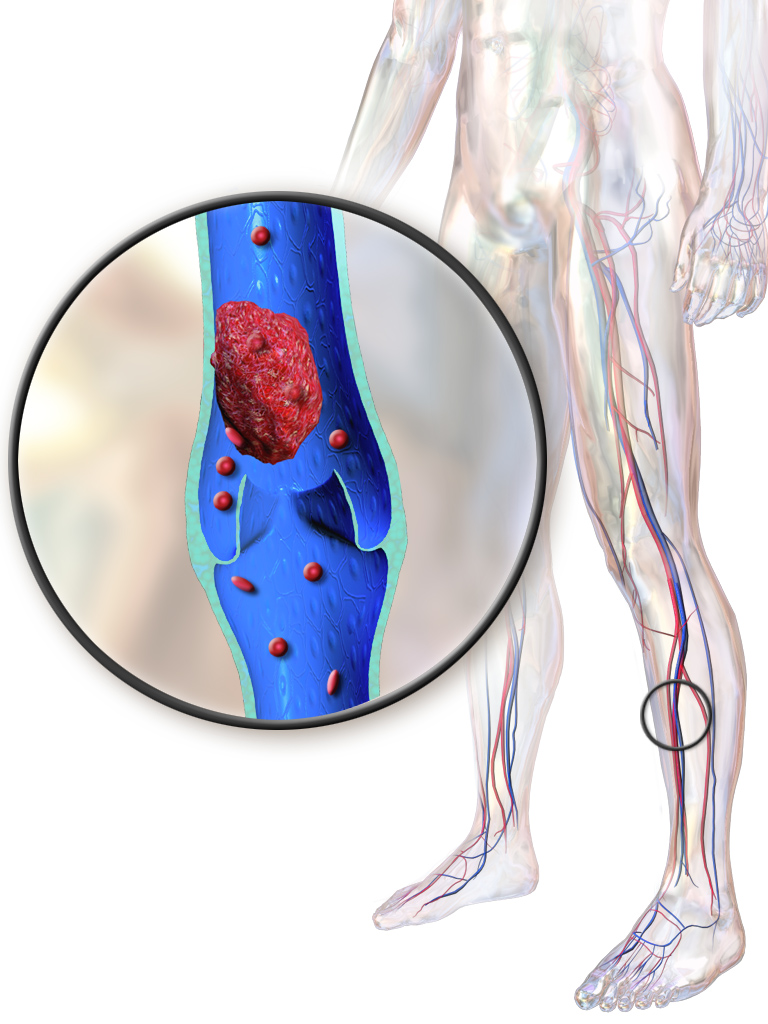
Deep vein thrombosis (DVT) is a clot in the deep venous system, most often in the legs, and it can become life-threatening if part of the clot travels to the lungs and causes a pulmonary embolism.
Risk and Diagnosis
DVT risk rises with immobility, hospitalization, long travel, age, family history, pregnancy, and certain medications. Symptoms can include swelling, pain, and heaviness, but some clots are only found after a complication occurs.
TCA uses ultrasound as a primary office-based test for DVT, with CT imaging typically used when pulmonary embolism is suspected.
Treatment Options
Treatment may include catheter-based thrombectomy, temporary IVC filters for patients who cannot safely take blood thinners, anticoagulation, and supportive measures such as walking, leg elevation, and compression stockings.
Clot care is not just a medication decision. Depending on severity and anatomy, the care plan may include procedural options alongside longer-term anticoagulation and follow-up.