
What Is an Echocardiogram?
An echocardiogram — often called an "echo" — is an ultrasound of the heart. The same sound-wave technology used to image a baby during pregnancy is used here to take real-time pictures of your heart muscle, valves, and chambers.
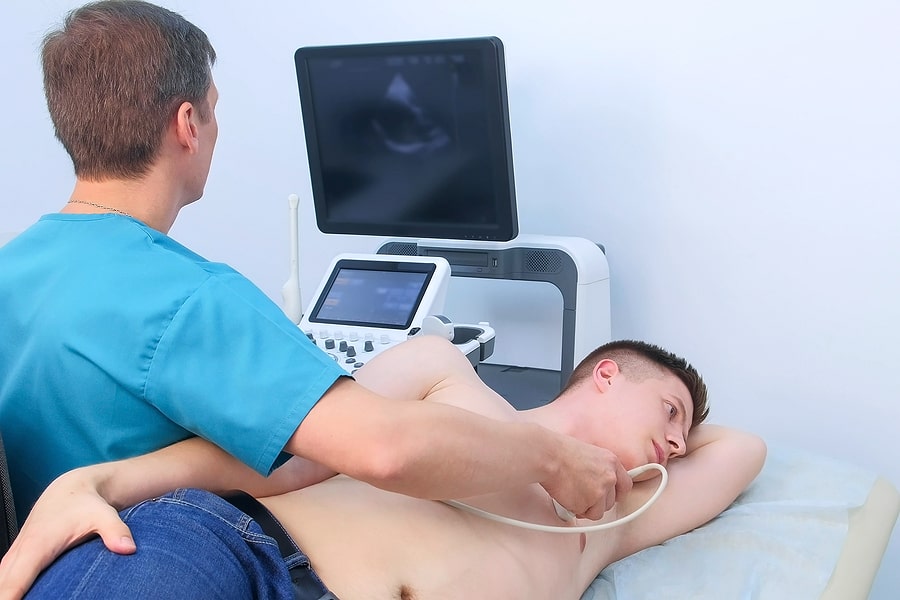
It is completely noninvasive, involves no radiation, and is performed right here in our office. Most studies take 30 to 45 minutes. You will lie on a table, typically on your left side, while a sonographer applies gel to your chest and moves a small handheld probe across the skin.
Why Your Cardiologist Ordered It
Echocardiograms are ordered for a wide range of reasons. Your doctor may want to evaluate how well your heart muscle is pumping (ejection fraction), check for valve narrowing or leakage, look for fluid around the heart, assess heart size after a blood pressure or arrhythmia diagnosis, or follow up on a previous finding.
It is often one of the first tests ordered during a new cardiology evaluation because it gives so much information quickly and safely. A normal echo result is genuinely reassuring. An abnormal finding helps your physician make a precise diagnosis rather than guessing.
How to Prepare
Standard echocardiograms require no special preparation. You can eat and drink normally, take your regular medications, and wear comfortable clothing. You will be asked to undress from the waist up and given a gown.
If your physician ordered a stress echocardiogram — which combines exercise or medication stress with the imaging — you will receive separate preparation instructions regarding fasting and medication holds. Please follow those instructions carefully.
What the Results Tell Your Doctor
After your study, the images are reviewed and interpreted by a cardiologist who generates a formal report. Key measurements include your ejection fraction (how much blood the heart pumps out with each beat), valve gradients and regurgitation grades, wall motion (how each segment of the heart muscle moves), chamber sizes, and diastolic function (how well the heart relaxes).
A normal ejection fraction is generally 55 percent or higher. Your physician will review the full report with you and explain what the findings mean in the context of your symptoms, history, and overall risk.
After Your Echo
There are no restrictions after a routine echocardiogram. You can drive, return to work, and resume normal activity immediately. If you had a stress echo with medication, you may be asked to stay briefly until the medication fully wears off.
Your results will be available to your ordering physician typically within one to two business days. If something urgent is identified, you will be contacted directly. Otherwise, your results will be reviewed at your next visit or during a follow-up phone call with our clinical staff.
Medical Disclaimer
This article is for general patient education only and does not constitute medical advice. Always consult your physician before making changes to your medications, lifestyle, or care plan.